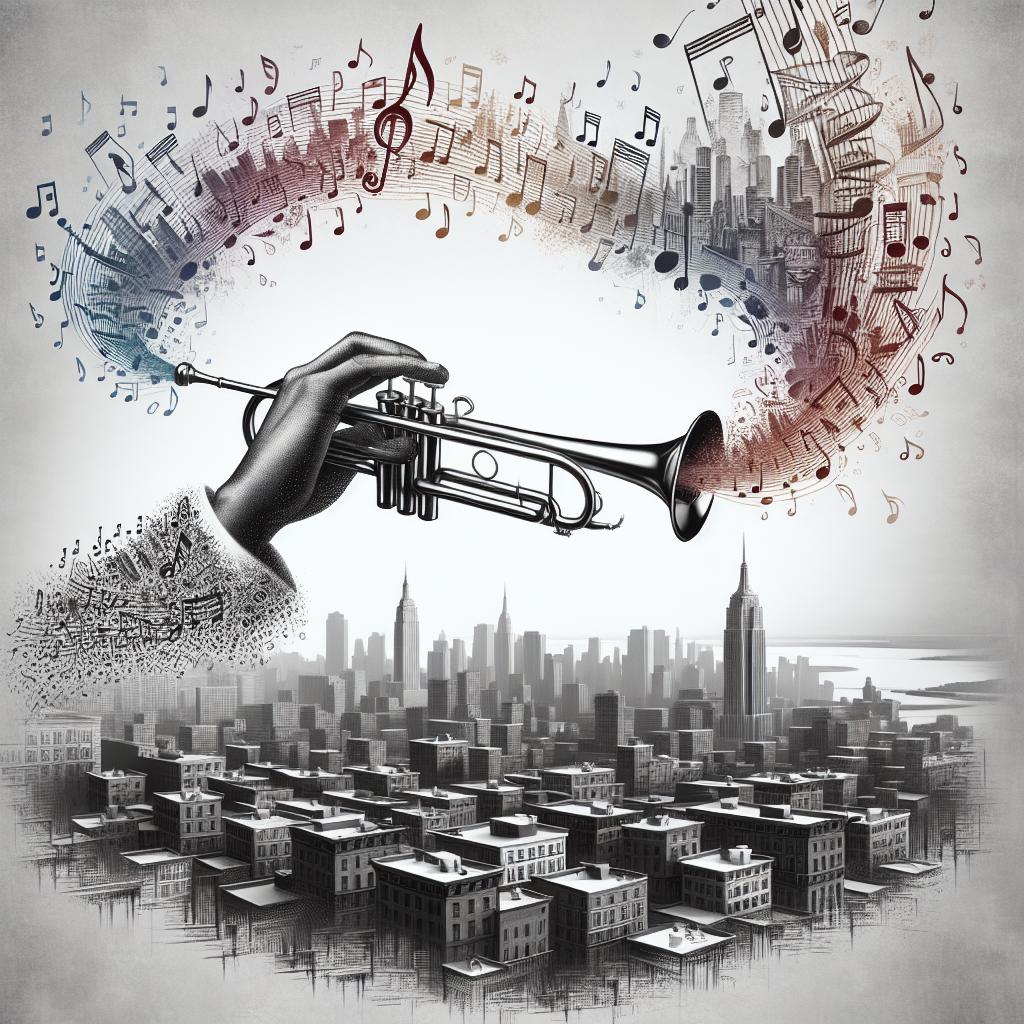
Louis Armstrong’s Role in the Harlem Renaissance
The Harlem Renaissance was a remarkable period of cultural, social, and artistic explosion that marked the 1920s and 1930s in America. This blog post delves into the contributions of some of the most influential figures of the era, with a particular focus on Louis Armstrong. Known for his profound impact on the jazz movement, Armstrong was more than just a musician; he was a pioneer who transcended racial and cultural barriers. Through this exploration, we also shed light on other prominent figures such as Langston Hughes, Marcus Garvey, Ma Rainey, W.E.B Du Bois, and Zora Neale Hurston, each of whom played a pivotal role in shaping the landscape of the Harlem Renaissance. Discover how their collective efforts contributed to a lasting cultural legacy.
MORE NEWS
The Harlem Renaissance marked a transformative era characterized by fresh ideas and the flourishing of black arts, literature, and music. This cultural rebirth was pivotal in altering both African American culture and American society at large, setting a platform for future generations. Among the influential contributors was Louis Armstrong, whose musical prowess and innovation furthered the impact of the Harlem Renaissance.
Breadcrumb
The timeline of the Harlem Renaissance features numerous luminaries who paved the way for African American culture and expression. As we navigate this historical journey, we will highlight the notable contributions of six prominent figures, illustrating the broad spectrum of influences that defined this era.
1. Langston Hughes
Langston Hughes was one of the most significant figures of the Harlem Renaissance, renowned for his distinct poems and essays that narrated the essence of black life in America. His work captured the joy, trials, and potential of African American culture through vibrant verse and prose. Hughes’s contributions stirred a collective sense of pride and identity within the African American community.
Moreover, Hughes often utilized his craft as a platform to address social injustices and the racial divide in America. Through his powerful use of language, he inspired many to view art as a medium of activism and change. Hughes’s literary efforts fostered conversations that reverberated beyond the confines of Harlem, shaping perspectives and forming a foundational part of the American literary tapestry.
2. Louis Armstrong
Louis Armstrong, also known as “Satchmo” or “Pops,” was more than just a pivotal jazz musician; he was a transformative figure whose influence extended far beyond music. With his innovative trumpet style and charismatic stage presence, Armstrong brought jazz into the mainstream, helping to redefine the public’s perception of African American musicians. His renditions and performances captivated audiences of all backgrounds, bridging cultural divides.
Armstrong’s contribution to the Harlem Renaissance lay not only in his musical genius but also in his ability to inspire and influence other artists and musicians of his time. His dedication to the craft and his groundbreaking achievements provided a new lens through which African American talent could be recognized and celebrated. As a result, Armstrong’s legacy continues to be a testament to the enduring power of music to transcend and transform.
3. Marcus Garvey
Marcus Garvey was a visionary and a political leader whose ideology of black nationalism and Pan-Africanism left an indelible mark during the Harlem Renaissance. As the founder of the Universal Negro Improvement Association (UNIA), Garvey emphasized the importance of economic independence and self-reliance for African Americans. His speeches and writings fueled a sense of empowerment and unity within the black community worldwide.
Garvey’s influence extended beyond his socio-political endeavors. His advocacy for cultural pride and racial uplift resonated deeply in an era seeking a redefinition of African American identity. Through Garvey’s efforts, the Harlem Renaissance became a platform for demonstrating black excellence in various domains, encouraging a shift towards a more inclusive narrative in American society.
4. Ma Rainey
Often hailed as the “Mother of the Blues,” Ma Rainey’s powerful voice and emotive performances made her a critical figure within the Harlem Renaissance era. Her music mirrored the struggles and triumphs of African American life, weaving deeply personal stories with broader cultural themes. With her commanding stage presence, Rainey redefined the role of women in the music industry, setting a precedent for future female artists.
Rainey’s influence did not stop at music; she was also a trailblazer in challenging gender norms and expectations. Her unapologetic embrace of her identity and artistry inspired many artists of her time, further enriching the cultural fabric of the Harlem Renaissance. Through her creativity and resilience, Rainey left an enduring legacy that continues to inspire musicians and audiences alike.
5. W.E.B Du Bois
W.E.B Du Bois was a sociologist, historian, and civil rights activist who played a vital role in developing the intellectual underpinnings of the Harlem Renaissance. As one of the founding members of the NAACP, he championed for equal rights and stressed the importance of higher education among African Americans. Du Bois’s works explored the complexities of race and identity, challenging societal norms.
His pioneering scholarship and advocacy provided a framework for understanding the African American experience in a broader historical and cultural context. By promoting intellectual growth and remaining steadfast in his pursuit of civil liberties, Du Bois left an enduring impact that resonated throughout the civil rights movements and inspired generations to come.
6. Zora Neale Hurston
Zora Neale Hurston was an anthropologist and author whose vibrant work captured the essence of African American folklore. She is best known for her novel “Their Eyes Were Watching God,” a seminal work of the Harlem Renaissance that explored the complexities of race, gender, and personal freedom. Hurston’s literary style celebrated the oral traditions of black culture, ensuring these stories would endure for generations.
By focusing on the richness of African American culture and storytelling, Hurston contributed to a broader understanding and appreciation of black identity and heritage. Her work not only expanded the horizons of American literature but also provided a platform for future writers to explore similarly complex and multifaceted narratives.
Future Prospects
| Contributor | Contribution |
|---|---|
| Louis Armstrong | Revolutionized jazz and brought cultural inclusivity through his music. |
| Langston Hughes | Used poetry and essays to highlight African American culture and social issues. |
| Marcus Garvey | Promoted black nationalism and economic empowerment for African Americans. |
| Ma Rainey | Blazed a trail in the blues genre, influencing both music and gender norms. |
| W.E.B Du Bois | Advanced civil rights and intellectual discourse through advocacy and scholarship. |
| Zora Neale Hurston | Preserved African American folklore through literature, enriching cultural narratives. |
Share this:
If you enjoyed this article, consider sharing it with friends and joining the discussion about the lasting impact of the Harlem Renaissance.
Get the latest articles delivered to your inbox
Subscribe to our newsletter to stay updated on more fascinating articles about cultural history and contributions.
Please check your inbox to activate your subscription.
Thank you for subscribing! We look forward to exploring more stories with you.