
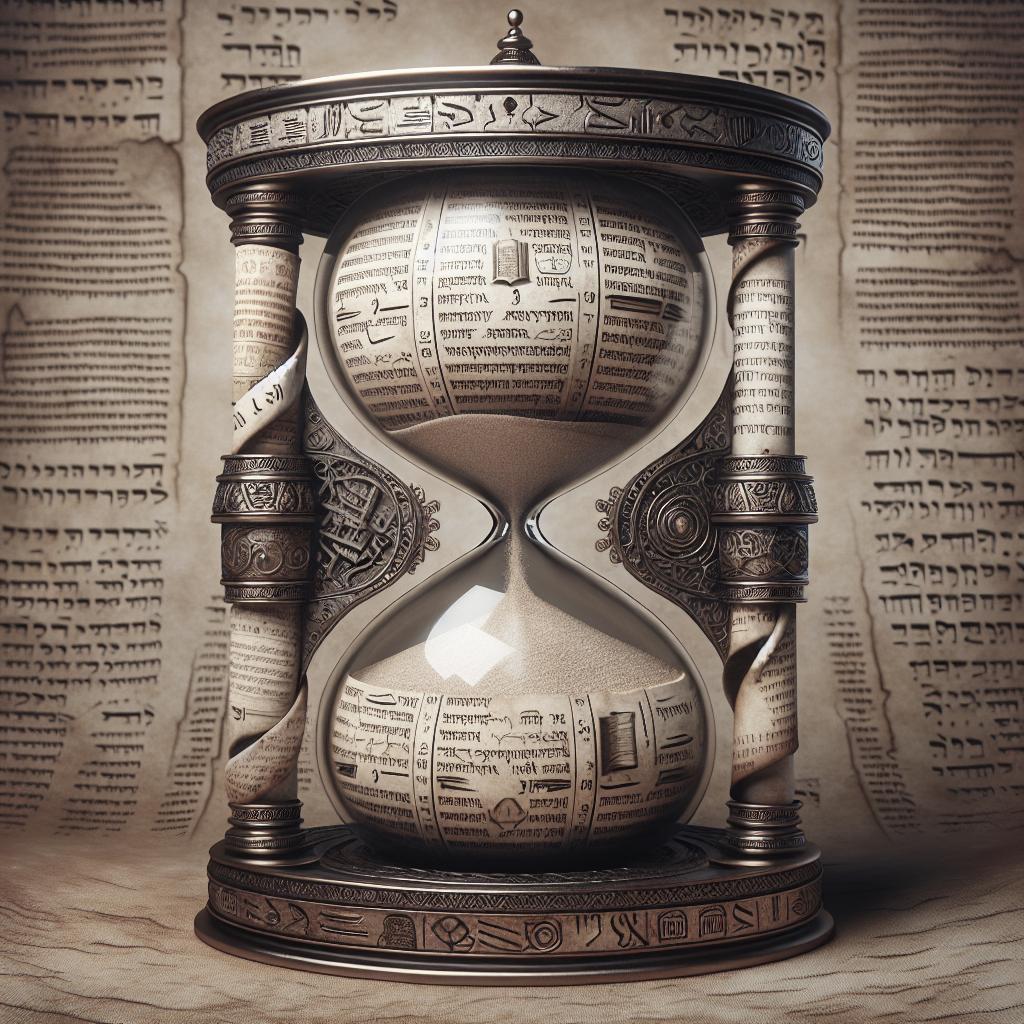
The Timeline Between Isaiah and Jesus
In a world where history and faith intersect, the timeline between the prophet Isaiah and Jesus of Nazareth is one filled with anticipation and divine orchestration. These two pivotal figures held pivotal roles in the narrative of the Bible, with Isaiah’s prophecies foreshadowing the coming of Jesus by several centuries. This blog explores the profound impact of prophecy, examining the nature of God as depicted through Isaiah’s visions and insights, and taking a closer look at what Isaiah specifically foretold about Jesus. By understanding these connections, we gain insight into the cohesive story of salvation that echoes across generations, raising pertinent questions about faith and history. Join us as we delve into the timeline and explore the implications of these divinely inspired messages that resonate through the ages.
The Power of Prophecy
Prophecy serves as a bridge between the divine and the temporal, revealing a foretaste of things to come through the words of chosen individuals. Isaiah, one of the major prophets of the Hebrew Bible, played a crucial role in this tradition. Living approximately 700 years before the birth of Jesus, Isaiah’s prophecies contained detailed descriptions and signposts for future events, particularly those concerning the Messiah. His writings were not mere predictions but rather divine revelations that offered hope and guidance to the people of Israel during tumultuous times.
Isaiah’s prophecies about the coming Messiah are among the most quoted and revered in the Christian tradition. He predicted the birth of a child to a virgin, whose name would be called Immanuel, meaning “God with us” (Isaiah 7:14). This prophecy, among others, would later serve as pivotal evidence for early Christians in recognizing Jesus as the promised Messiah. The power of Isaiah’s prophecy lies in its ability to transcend time, providing a connecting thread through which Christians interpret the life and mission of Jesus.
The Character of God
Through the prophecies of Isaiah, we also gain insight into the character of God. Isaiah highlights both the justice and compassion of God, emphasizing themes of redemption, holiness, and divine covenant. God is portrayed as both the righteous judge and the compassionate father, who desires a relationship with humanity and is committed to their ultimate good.
This balance between justice and mercy is reflected in the life of Jesus, who embodies these divine attributes. Isaiah’s depiction of God as a restorer of the broken and a beacon of hope for the oppressed finds its ultimate expression in the New Testament narrative. The connection between the two testaments demonstrates how the nature of God, as revealed through Isaiah, is fulfilled in the person and work of Jesus Christ, linking prophecy with realization.
What Else Did Isaiah Say About Jesus?
Beyond the specific prophecies regarding the virgin birth, Isaiah paints a vivid picture of the suffering servant, a figure who bears the sins of many and achieves redemption through sacrifice (Isaiah 53). This description aligns closely with the Christian understanding of Jesus’ crucifixion, where he is seen as the sacrificial lamb who takes on the sins of the world. Isaiah’s portrayal of the suffering servant enriched early Christian theology, emphasizing the redemptive nature of Jesus’ mission on earth.
Isaiah also spoke of a future kingdom of peace and righteousness, often referred to as the “Peaceable Kingdom” (Isaiah 11:6). This vision anticipates the Messianic era and offers a foretaste of the hope and restoration that Jesus’ coming signifies. By detailing these attributes and events, Isaiah’s words bridge the Old and New Testaments, creating a cohesive narrative that underscored the continuity of God’s plan and the transformative significance of Jesus’ life and teachings.
It Came True. So What?
The fulfillment of Isaiah’s prophecies in the life of Jesus is not only an affirmation of faith but also a testament to the enduring nature of divine promises. For believers, the realization of these prophecies serves as a powerful reminder of God’s unchanging nature and His commitment to humanity. It offers reassurance that the narrative woven through centuries is one of purpose and intentionality, an unfolding plan of salvation that persists in relevance even today.
In considering the impact of these fulfilled prophecies, it prompts reflection on the personal and communal implications for faith. The challenge lies in discerning how this knowledge influences daily life and spiritual growth. The connection between Isaiah and Jesus compels believers to re-evaluate their understanding of divine purpose, examining how ancient promises continue to shape modern identity and expectations within the faith community.
December 5, 2022 • by Kim Erickson
Kim Erickson is a writer and theologian who explores the intersections of faith, history, and literature. With a passion for uncovering the deeper meanings within biblical texts, Kim provides insight into the enduring promise of prophecy and its implications for contemporary faith. Her explorations into biblical history and prophecy offer readers a chance to engage with the timeless narrative of God’s love and redemption.
MORE FROM JOURNEYWOMEN
Journeywomen is committed to bringing thoughtful and engaging content that enriches the spiritual lives of readers by examining scripture and its role in modern faith experience. Explore a range of articles that continue the conversation on prophecy, faith, and the unfolding story of redemption.
Final Thoughts
| Key Theme | Summary |
|---|---|
| The Power of Prophecy | Isaiah’s prophecies serve as a bridge between divine promises and their realization in Jesus. |
| The Character of God | Reflections on God’s attributes as revealed through Isaiah, fulfilled in Jesus’ life and mission. |
| What Else Did Isaiah Say About Jesus? | Examines additional prophecies regarding Jesus’ suffering, sacrifice, and the hope of a future kingdom. |
| It Came True. So What? | Discusses the personal and spiritual implications of fulfilled prophecy in understanding divine purpose. |

