The Mysterious Death of Belle Starr
Belle Starr, often renowned as the “Bandit Queen,” has left behind a legacy shrouded in intrigue and peril. Her life was emblematic of the Wild West, characterized by bold adventures and notorious exploits. Yet, it is her untimely and mysterious death that has perpetuated enduring speculation and fascination. This blog post delves into the circumstances surrounding Belle Starr’s demise, evaluates the credibility of existing narratives, and unravels the mythos of this captivating historical figure. From a factual recounting to a comparison of different perspectives, this exploration provides a comprehensive look into the final chapter of Belle Starr’s life, offering readers insight into both historical accuracy and enduring legends.
Citation Information
Belle Starr’s death is a topic of much speculation, with information pulled from diverse sources. Citing reputable historical records and scholarly articles offers insight into the past and enriches our understanding of the context. The importance of verifying sources cannot be understated, especially with figures like Belle Starr, whose stories intertwine fact and folklore.
Most primary citations stem from newspapers of the late 1800s and early 1900s. These accounts, while eye-opening, often carry biases of the time. Modern historians thus strive to cross-reference these with archived governmental records and journals from those who personally knew Belle. Through this meticulous approach, a more nuanced picture of her life and death emerges, shifting from mere legend to complex human story.
Fact Check
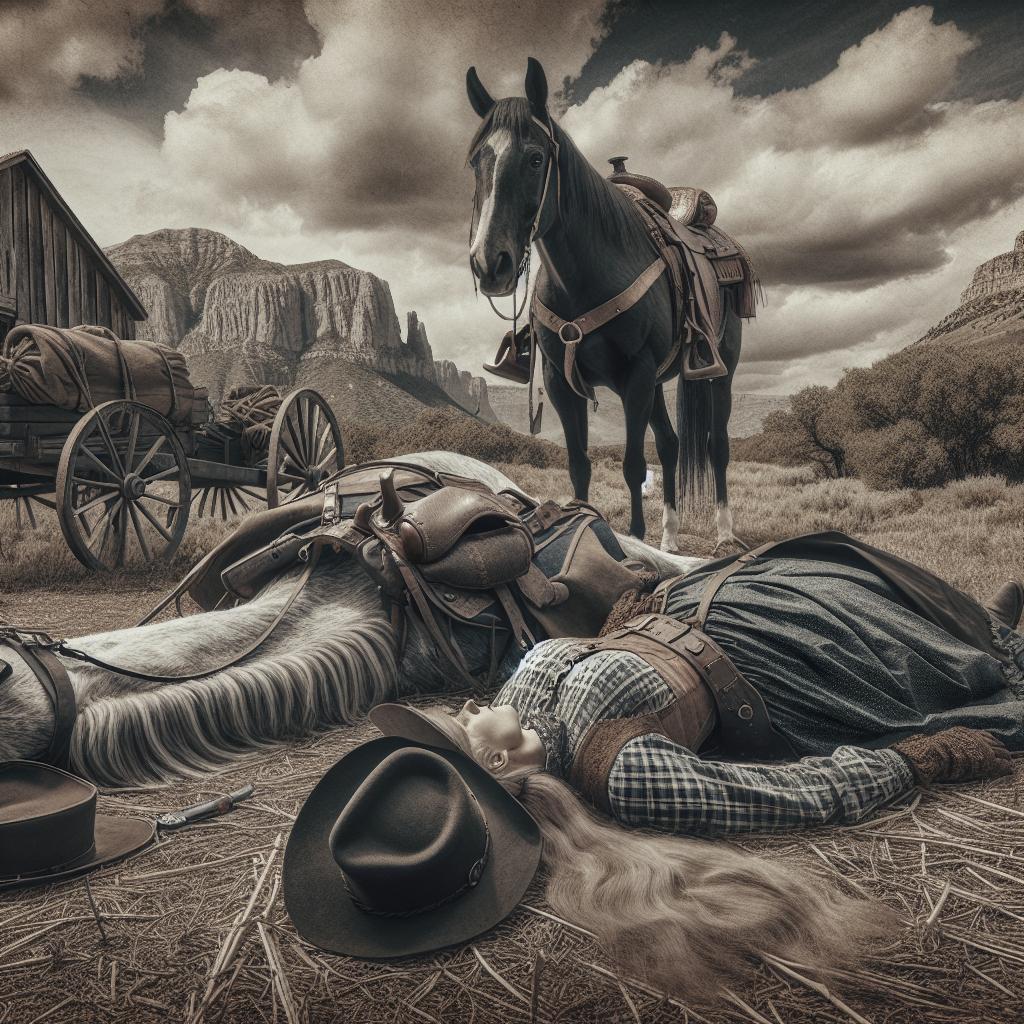
It is essential to scrutinize the purported details surrounding Belle Starr’s death, often romanticized in literature and film. According to documented accounts, on February 3, 1889, Belle was fatally shot near her home in Briartown, in the Indian Territory, now present-day Oklahoma. The culprit of this heinous act has never been conclusively identified, fueling speculation and giving birth to a multitude of theories.
Close examination of the evidence, or lack thereof, drives historians to question the common narrative. Some suggest familial disputes, given rumored tensions with her own family members. Others point to revenge, either from within her criminal associates or disgruntled neighbors. The absence of a concrete perpetrator or motive presents a challenge to historians even today, emphasizing the necessity for ongoing research into historical records and personal accounts from the era.
Belle Starr: The Bandit Queen
Known as the “Bandit Queen,” Belle Starr’s life was rich with tales of crime and defiance. Born Myra Maybelle Shirley, she became enmeshed in the outlaw culture of the American frontier. Her alliances with infamous criminals like Jesse James entrenched her in a criminal underworld that both feared and revered her.
This persona cultivated a compelling narrative that blurred lines between fact and fiction. She embraced the image of a fearless woman defying the confines of a male-dominated society, with her death only serving to solidify her place in the annals of American folklore. This blend of audacity, femininity, and infamy ensured her lasting legacy, compelling continuous examination and fascination, long after her demise.
Related Articles
Those interested in learning more about the historical context of Belle Starr’s time may explore articles surrounding the lives of other figures from the Old West like Jesse James, or the broader examination of women in crime during the 1800s. Each contributes valuable perspectives that highlight the unique atmosphere and societal norms influencing Belle Starr’s actions.
Additionally, articles discussing the evolution of journalists’ and historians’ roles in documenting the Old West provide intriguing insights. Shifts in narrating historical narratives, from embellishment to factual accuracy, mirror the broader societal change towards understanding history as a complex interplay of perception, narrative, and fact. These analyses are fundamental in grasping how figures like Belle Starr are portrayed throughout different eras.
Submit a Comment Cancel reply
We invite readers to share their thoughts and insights on Belle Starr’s mysterious death and the broader implications of her life in American history. Was her death a simple act of violence, or did it involve a more clandestine conspiracy? Use this platform to engage in discussions, propose theories, or offer corrections on the information presented.
Please ensure your comments contribute constructively to the conversation. By engaging thoughtfully, we collectively enrich our understanding and appreciation of historical complexity. For those wishing to delve further or share particularly insightful commentary, consider reaching out for a potential guest post opportunity in future related topics.
Summary of Main Points
| Aspect | Details |
|---|---|
| Death Circumstances | Shot on February 3, 1889, near Briartown, Indian Territory. |
| Speculation on Perpetrator | Possible suspects include family, acquaintances, or for revenge. |
| Legacy as “Bandit Queen” | Renowned for criminal exploits and associations with infamous outlaws. |
| Historical Documentation | Sourced from newspapers, journal entries, and modern historiography. |
| Public Engagement | Encouraged reader input and debate on historical accuracy. |